miércoles, 30 de noviembre de 2011

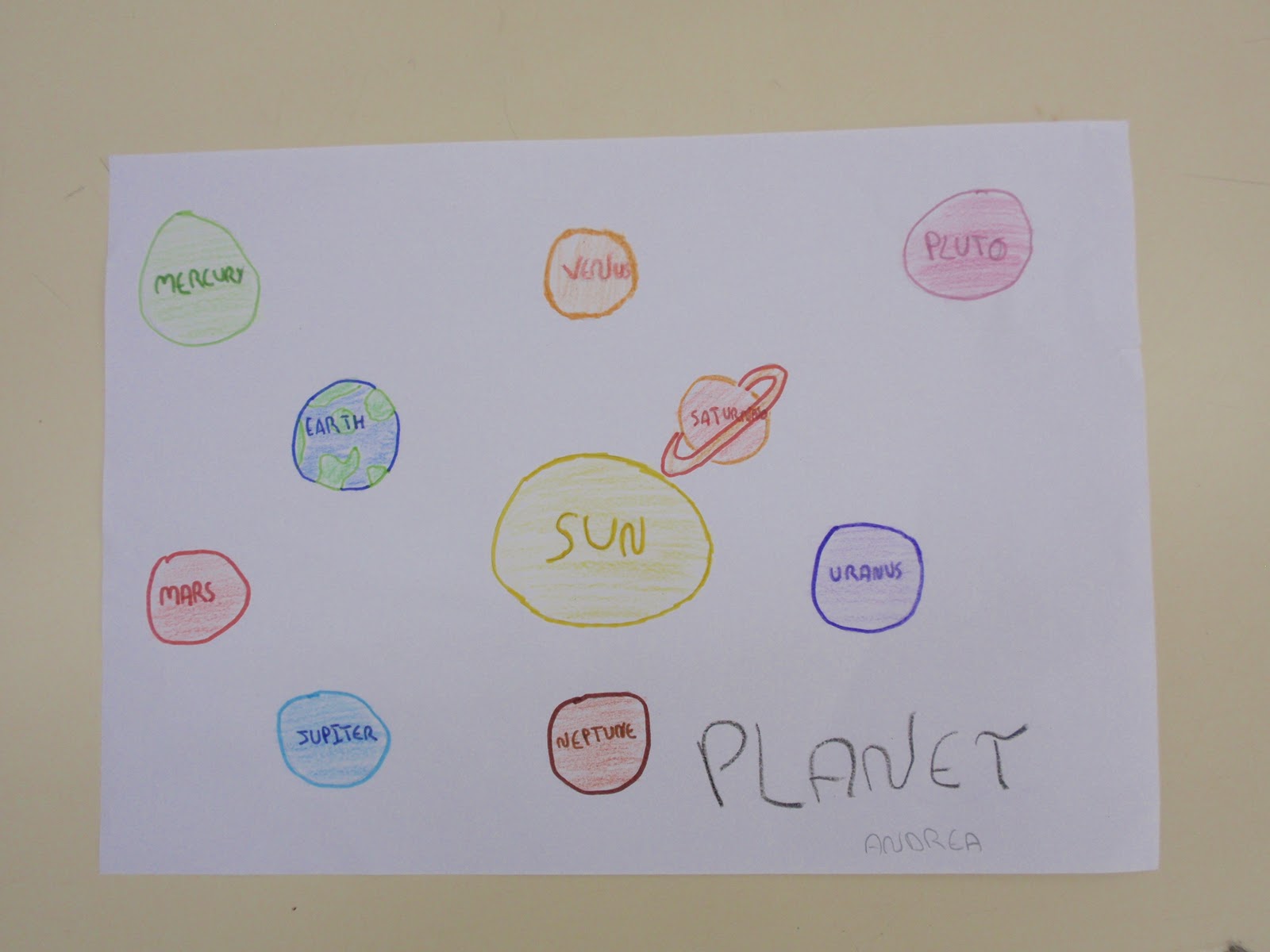
OUR PICTURES ABOUT THE PLANETS


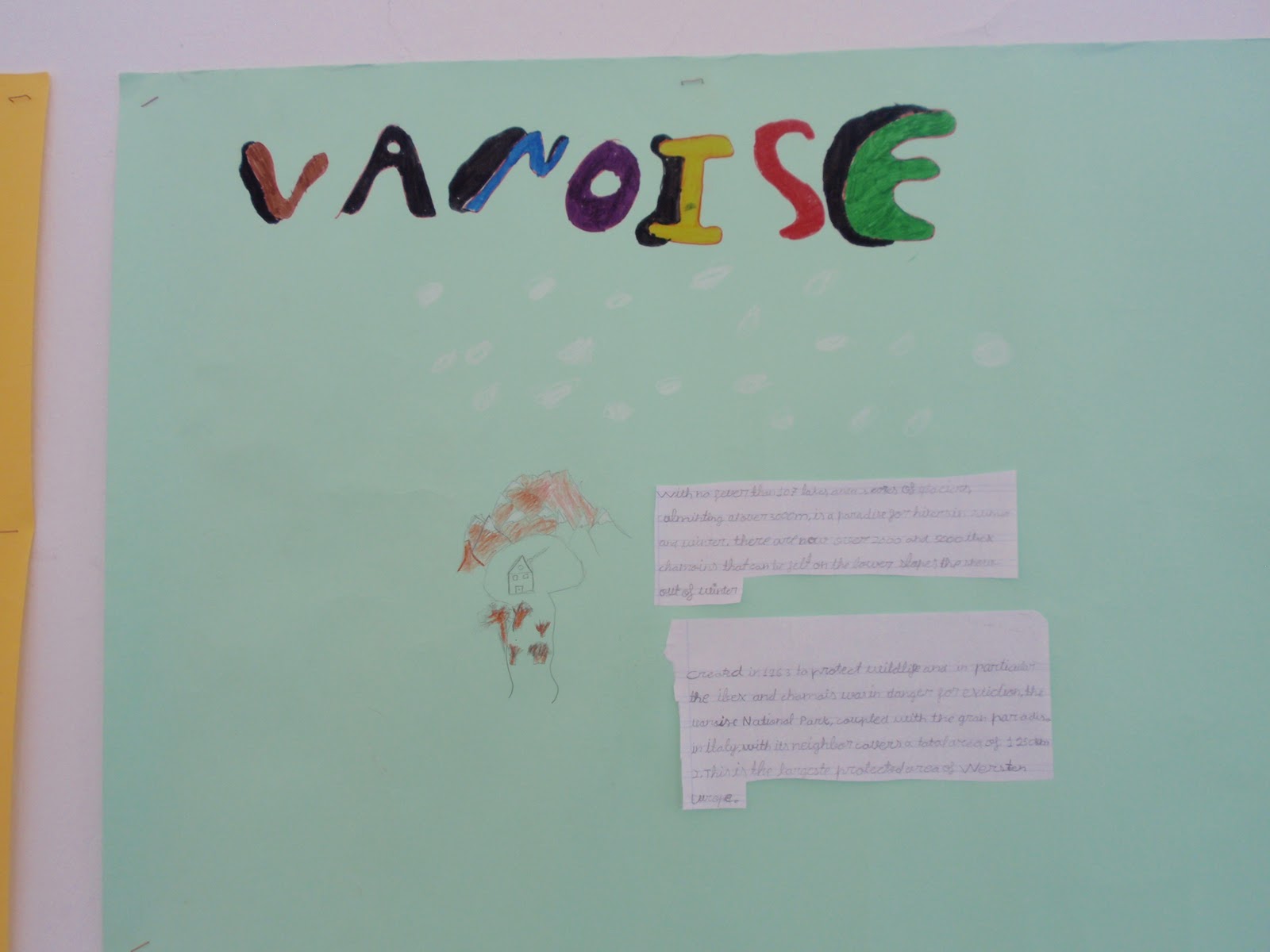
NATURAL PRESERVES

  Sabíais que en Europe hay importantes National Parks. Hemos estado investigando y estos son nuestros projects. 

TEIDE IN SPAIN


HARZ IN GERMANY


VANOISE IN FRANCE


SNOWDONIA IN UNITED KINGDOM


martes, 29 de noviembre de 2011

DESERTS

In geography desert is defined as the land area in which rainfall rarely exceeds 250 mm per year and the land is arid.The desert can be considered an ecosystem or biome.

A desert is a biome that receives little rainfall. They have a reputation of having little life, but that depends on the kind of desert, in many there is abundant life, the vegetation is adapted to the low humidity and animals usually hide during the day to preserve moisture. The establishment of social groups in the deserts is complicated and requires a significant adaptation to the extreme conditions prevailing in them. Deserts make up the largest area of ​​the earth's surface more than 50 million square kilometers, occupying nearly a third of it. Of this total, 53% are hot deserts and cold deserts 47%.
Erosion processes are important factors in the formation of desert landscape. Depending on the type and degree of erosion that wind and solar radiation have caused, the deserts have different types of soil: sandy desert is that they are composed primarily of sand, which by the action of the wind shapes the dunes, stony or rocky desert is one whose land is made ​​up of rocks or pebbles (this type of desert is often referred to the Arabic word hamada).

The deserts may contain valuable mineral deposits that were formed in the arid environment, or were exposed by erosion. In the lower zones may form salt flats. Due to the dry deserts are ideal places for the preservation of human artifacts and fossils.

It also defines wilderness as an uninhabited place, not inhabited by humans or barely living at all. By this definition, the deserts are also located in colder climates such as the Arctic or tundra.


En el último tema de science hemos hablado sobre the deserts. Algunos han querido pintar deserts o incluso escribir en inglés sobre ellos. Aquí tenéis lo que hemos hecho.


Our own projects of THANKSGIVIG


                                                                                                                                                                                                                                                                                                                                                                                                                                                                                                                                                                                                                                                                                                                                                                                                                                                                                                                                                                                                                                                                                             El jueves pasado se celebró en Estados Unidos el día de Acción de Gracias o Tranksgivig. Hemos realizado tarjetas para felicitar tan peculiar día.

ANDREA BY HER FELLOWS

sábado, 26 de noviembre de 2011

SOME CHILDREN WENT TO MADRID BY PLANE.

Here are the photos of the travelling to Madrid. 
Enjoy yourself !

martes, 22 de noviembre de 2011

EARTH. OUR PLANET.

Vamos a empezar un nuevo tema en la clase de Natural Science:  The Earth. 
Estos últimos días hemos estado aprendiendo una bella canción sobre los planetas.

SHOOTING STAR

Shooting star,
Give me a wish,
to know the planets, 
one by one.
Mercury is near the sun.
Look at Venus, morning star.
This is Earth, planet Earth.
Then it´s Mars and Jupiter.

Rings,  rings! It´s Saturn´s rings.
Now Uranus, green and blue.
Storms, storms! Stormy Neptune.
Finally tiny Pluto.


DO YOU KNOW THAT...

    Mars is a very exciting planet. It is called the Red Planet, because it has got lots of red rocks. The largest volcano in the solar system is on Mars. It is called Olympus Mons.

    Venus is the second planet from the sun. It is the brightest and hottest planet. We can sometimes see Venus from the Earth.

    Saturn has got beautiful rings made of ice and rock.

    Mercury is very hot, because it is the nearest planet to the sun.

REGARDS FOR Mrs. Inmaculada

    On last Wednesday  Lucía y Victor fueron a la radio, allí se encontraron con nuestra querida profe de inglés: la seño Inma. Desde estas página, creadas por ella años atrás, te envíamos un cariñoso saludo.